A Green Future Must Not Be Built by Unsustainable Means
Investments driving the green transition position Finland, both as an economy and as a society, at the forefront of building a better global future.
However, a truly sustainable future cannot be achieved through unsustainable practices. Responsibility cannot be selective. The green future must not come discriminating against the people contributing to it, nor should it undermine the foundations of our society.
Unfortunately, there have been increasing reports in the media of violations related to employment terms and labor legislation, within green transition projects as well. These include excessive working hours, unpaid wages, misreported working time, negligence leading to accidents, and tax evasion.
Such misconduct and grey economy practices have long been embedded in the construction and industrial sectors, both in Finland and globally. Consequently, even projects intended to promote sustainability risk being overshadowed by unethical practices.
Finland has a clear opportunity to stand out as an exemplary leader in responsible investment
Here we as a country have an opportunity to distinguish ourselves. We have the capability, tools, expertise, and, importantly, the will and ethical foundation to lead by example in delivering responsibly executed investment projects.
Finland is already recognized as one of the most trusted and least corrupt countries in the world. Green future initiatives offer a strong platform to further strengthen this reputation.
We have the capability, tools, expertise, and, importantly, the will and ethical foundation to lead by example in delivering responsibly executed investment projects.
What threatens the responsibleness of green transition development projects?
To address these challenges, we must first understand their root causes. Why are regulations and legislation bypassed, and why does oversight sometimes fall short of addressing these problems?
Based on my own experience, the reasons range from indifference and lack of awareness to the complexity of legislation and cost pressures. While the will to act responsibly is there, navigating complex regulatory frameworks is not always straightforward. Some violations are intentional, others unintentional, however all of them are unacceptable.
Cost pressures and market dynamics have created an imbalance, particularly in deep subcontracting chains, where the drive to reduce costs can compromise fair wages in construction sites. In a labor market with so much available workforce, wages may be pushed down from both the supply (those offering work) and demand (those asking for work) sides. This creates favorable conditions where misconduct related to pay, working hours, and overtime reporting can occur. When prices are lowered past a certain point, it becomes impossible to operate profitably through lawful means. Looking beyond these violations, someone ultimately bears the cost.
The complexity of Finnish labor legislation also poses challenges to employers. Large-scale projects often involve numerous contractors and subcontractors from different countries. Every week I witness first-hand the effort, flexibility and commitment that foreign employers must invest in order to understand and comply with Finland’s collective agreements, industry practices, and legal requirements. Why is holiday pay required? What does “pekkaset”, accrued days off, mean? How does the collective labour agreement work? While some proactively seek guidance, others may not even recognize the need to do so.
Cultural and attitudinal differences are also evident on international worksites. Contractors from dozens of countries and workers from over a hundred nationalities may be involved. In some contexts, bypassing rules may be more common than in Finland or other Nordic countries, whether you are an employer or the employed. Responsibility may not necessarily be a part of one’s own values. Additionally, Elina Santalahti writes how for some workers, raising concerns or asserting their rights may feel unfamiliar or inappropriate, further increasing the risk of exploitation.
Oversight also presents challenges – who is responsible for what? While the Act on the Contractor’s Obligations and Liability When Work is Contracted Out requires due diligence, long subcontracting chains remain vulnerable. A single failure in reporting or monitoring can lead to broader issues. Do all parties have the skills or want to do thorough examinations? In my own experience requiring greater accountability from main contractors in particular, could strengthen prevention and oversight. There are both the means and the desire to address these violations, but the root cause must be tackled systematically.
The rights and responsibilities of the employees differ country-by-country. Both employers and employees must understand their rights and responsibilities. Workers arriving from abroad do not always fully understand what working in Finland entails, which can lead to both unmet obligations and unclaimed rights, creating fertile ground for misconduct.
Let’s decide together that responsibility is not bargained with
The causes are many, and we must face the facts: the current model is not functioning as it should.
Exploitation and non-compliance are unacceptable. The prevalence of reported violations suggests that many issues remain undetected.
The key question is what actions should be taken? Should we tighten regulations? Do we just keep on going and hope for the best?
Finland has an opportunity to make a clear moral and ethical choice to become the most responsible country in construction and industry. How about we Finnish operators in the industry shift our own attitude to the level which the rest of the world still believes us to be at.
“I propose that us Finns collectively commit to building a green future through responsible means. By challenging ourselves and each other to improve, we can strengthen our position in international competition.
Responsibility can become Finland’s key differentiator in the global competition for green transition investments.
As the saying goes: if there’s a will, there’s a way.
I propose that us Finns collectively commit to building a green future through responsible means. By challenging ourselves and each other to improve, we can strengthen our position in international competition.
Let us actively raise these issues in discussions and shared forums and challenge one another to do better.
We must act with integrity and fairness and expect the same from all partners and subcontractors. This means identifying risks and shortcomings in our own operations and addressing them proactively. We should adopt existing auditing and monitoring practices even where not legally required. Compliance alone is not enough. We should aim to exceed minimum standards clearly and consistently.
Let us do a little more, a bit better.
Compliance alone is not enough. We should aim to exceed minimum standards clearly and consistently.
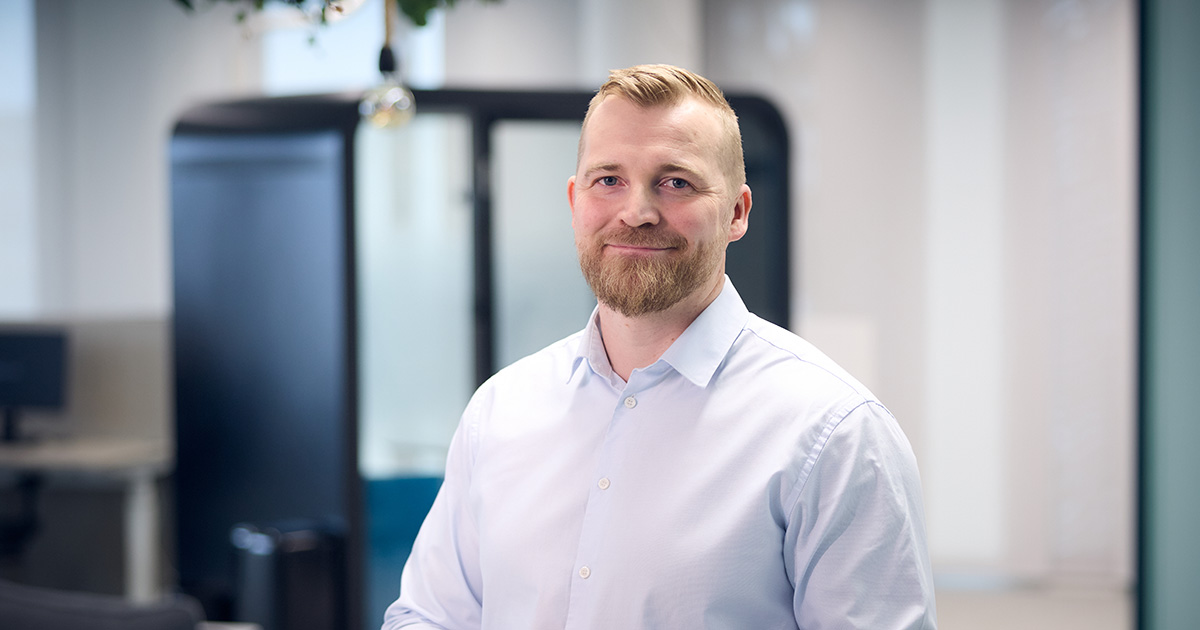
The author, Juho Nojonen, serves as the Director responsible for Barona’s industrial and construction business operations. Barona operates as a workforce partner in industrial investment projects in Finland, Norway and Sweden.